
Make in India: Building a Manufacturing Export Powerhouse
How India’s manufacturing initiative attracts foreign investment, creates infrastructure for exports, and reshapes the global supply chain landscape.

What Make in India Really Means
India’s Make in India initiative isn’t just a slogan. It’s a comprehensive framework launched in 2014 that fundamentally transformed how the country attracts foreign manufacturers. The program addresses a critical challenge: India wanted to shift from being primarily a service economy to becoming a serious global manufacturing hub.
The initiative targets 25 key sectors—from automotive and electronics to textiles and pharmaceuticals. What makes it different from typical government programs is the focus on infrastructure development, policy simplification, and direct support for manufacturing units. It’s working. Foreign direct investment in manufacturing has grown significantly, and more importantly, companies are actually building factories and creating long-term production capacity here.
The Three Pillars of Make in India
The initiative rests on three interconnected pillars, and understanding each one helps explain why foreign manufacturers are genuinely interested in setting up here.
Infrastructure Development
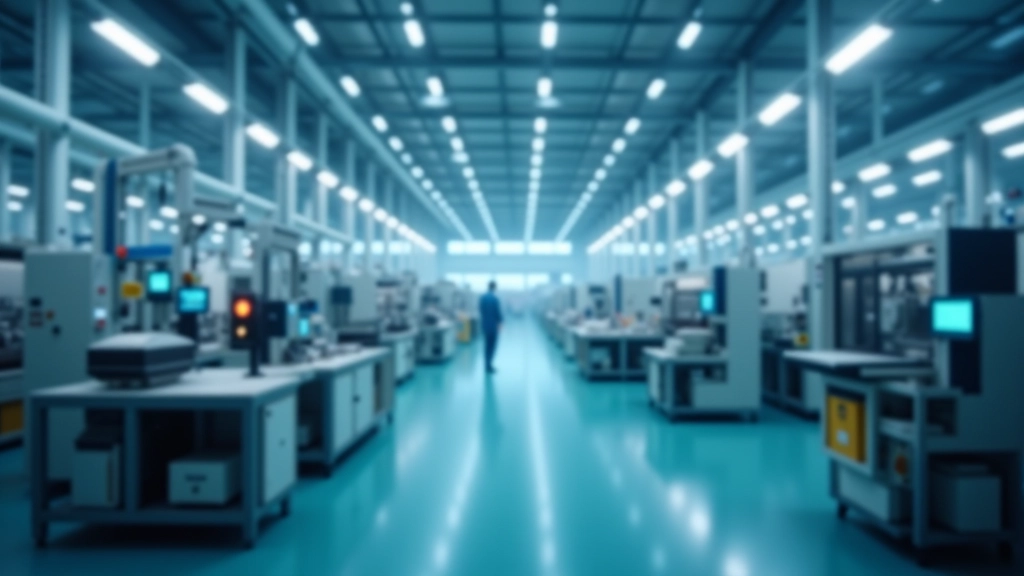
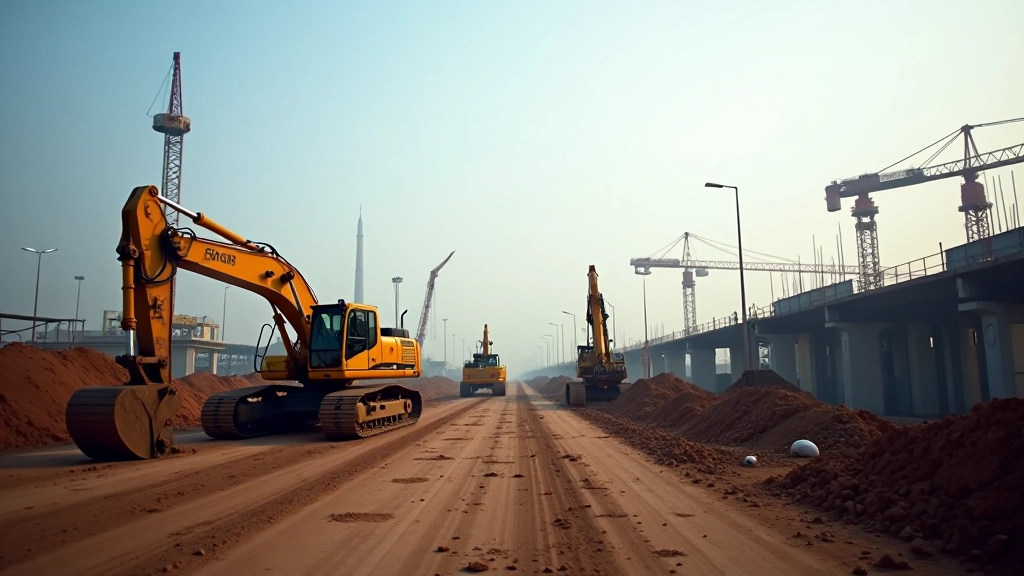
India’s investing heavily in manufacturing zones, ports, highways, and power generation. Special Economic Zones (SEZs) now offer dedicated facilities with pre-built factory spaces, reducing setup time from 18 months to just 6-8 months. That’s real competitive advantage.
Regulatory Simplification
Getting permits used to mean navigating 50+ government agencies. Now it’s streamlined to 7-8 key approvals through online portals. Land acquisition, environmental clearance, and labor compliance—they’re all digitized and faster.
Financial Incentives
Capital subsidies for manufacturing units, tax holidays for specific sectors, and preferential tariffs create real cost advantages. A smartphone manufacturer pays different rates than a traditional apparel maker, but both benefit from targeted support.

Where Foreign Manufacturers Are Investing
Not all sectors are created equal when it comes to attracting investment. Here’s where we’re seeing the real action:
Electronics & Semiconductors
This is exploding. Apple, Samsung, and emerging Chinese manufacturers are all setting up assembly and component production here. India’s targeting 20% of global electronics manufacturing by 2030—that’s not pie-in-the-sky, it’s happening now.
Automotive
Companies like Tesla are exploring options, but traditional manufacturers from Hyundai to Maruti already have massive plants here. India produces 4 million vehicles annually. The cost structure? About 30-40% lower than developed markets.
Pharmaceuticals & Chemicals
India’s already the world’s pharmacy, exporting generic drugs globally. Now foreign companies are building API (active pharmaceutical ingredient) production facilities because the cost and skilled labor availability are unmatched.
Textiles & Apparel
Traditional, yes—but still critical. Vietnam and Bangladesh are expensive now. Indian manufacturers offer flexibility, decent infrastructure in Tamil Nadu and Gujarat, and access to raw cotton domestically.
Real Challenges Still Exist
Make in India is genuinely attracting investment, but it’s not a silver bullet. Foreign manufacturers know what they’re getting into, and they’re weighing tradeoffs carefully.
Infrastructure Gaps
SEZs are good, but rural connectivity is spotty. Power outages still happen in some regions—not everywhere, but enough that companies plan for backup generators. Roads near manufacturing clusters are improving but aren’t at Southeast Asian standards yet.
Skilled Labor Availability
India has labor abundance, but specialized manufacturing skills need training. Companies are investing in worker training programs, which adds initial cost. It’s a solvable problem, but it’s real.
Land Acquisition Delays
While permits are faster, acquiring large land parcels outside SEZs still involves bureaucracy. Environmental clearances for manufacturing units take 8-12 months typically, though critical sectors get expedited processing.
Supply Chain Concentration
Component suppliers and logistics networks are still developing. Manufacturers often need to help establish their supply chain rather than plugging into an existing ecosystem like they’d find in China or Vietnam.
What’s Actually Working
Despite challenges, the numbers tell a story. FDI in manufacturing has shifted noticeably since the initiative launched.
Companies aren’t just testing the market anymore. They’re committing capital for 10-year production runs. Apple’s iPhone assembly moved here not because of cheap labor (that’s secondary) but because supply chain risk in one country became too expensive. India offered geographic diversification.
Electronics manufacturing jumped from $5 billion to over $20 billion in annual production value. That’s not incremental—that’s structural change. And it’s creating a multiplier effect: as assembly plants arrive, component suppliers follow, logistics improves, and the ecosystem strengthens.
The Bottom Line
Make in India works because it’s solving a real problem for manufacturers: they need geographic diversity and cost-effective production without sacrificing quality or access to skilled workers. The framework isn’t perfect, and challenges remain. But it’s moved beyond the “let’s try this” phase into genuine industrial transformation.
For India, it’s reshaping the economy from service-dependent to export-driven manufacturing. For global companies, it’s reducing reliance on single-country supply chains. That alignment of interests is what makes this sustainable. You’re not seeing a one-time surge; you’re seeing a structural shift in global manufacturing geography.
Interested in how FDI flows are evolving? Explore more analysis on investment trends and economic policy.
Explore FDI ResourcesImportant Disclaimer
This article provides informational and educational content about India’s Make in India initiative, FDI trends, and manufacturing policy frameworks. It’s designed to help you understand these economic topics and policy structures. Information presented here reflects general analysis and publicly available data as of March 2026. Circumstances, policies, and investment environments change regularly. If you’re considering manufacturing investments in India or making business decisions based on this information, we strongly recommend consulting with trade experts, investment advisors, and legal professionals familiar with current Indian regulations and your specific industry sector. This content is not investment advice or a substitute for professional consultation.